


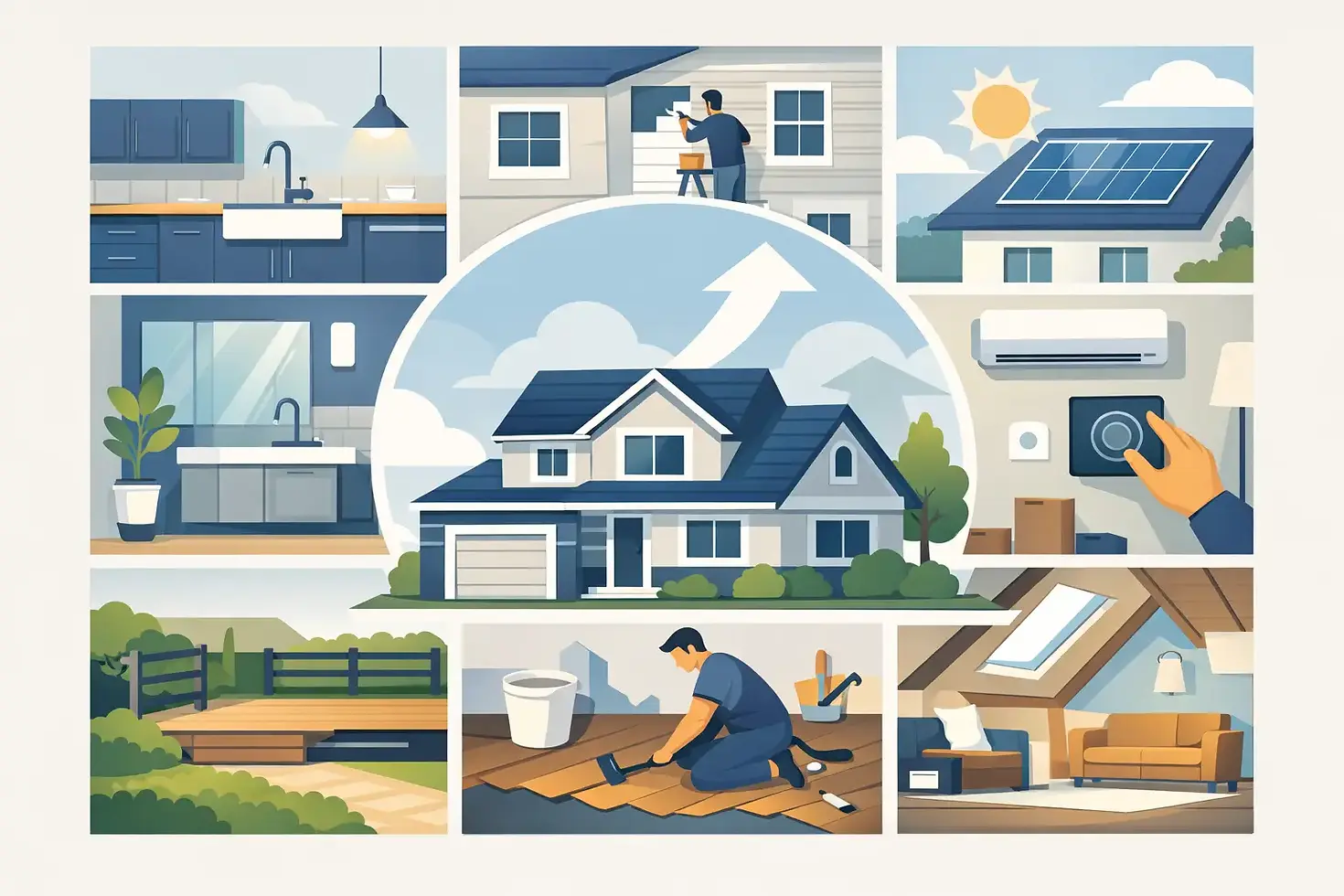
8 Best Home Renovations to Increase Value
A dated kitchen can knock thousands off a buyer's first impression before they ever ask about square footage. That is why the best home renovations to increase value are rarely the flashiest ones. They are the projects that improve how a house looks, functions, and holds up over time.
For homeowners in markets like Greater Sudbury, value is not just about trends. It is about making smart improvements that fit the home, the neighborhood, and the condition of the property. A well-planned renovation should strengthen resale potential while also making the home better to live in now.
What Actually Adds Value in a Renovation
Not every dollar spent on a renovation comes back at sale. Some upgrades are highly personal, while others solve problems buyers do not want to inherit. The difference matters.
In general, the renovations that add the most value fall into three categories: high-use spaces, visible condition upgrades, and work that improves efficiency or structural confidence. Kitchens and bathrooms matter because buyers use them every day. Roofing, windows, siding, and foundation-related work matter because they reduce risk. Layout improvements and finishing projects matter because they make a home feel more complete and functional.
The right choice depends on your starting point. If your kitchen is older but still clean and functional, replacing your roof may be the better investment. If your basement has untapped living space, finishing it may create more practical value than an expensive cosmetic update upstairs.
Best Home Renovations to Increase Value
1. Kitchen Renovations That Improve Function First
Kitchens sell houses, but overbuilding a kitchen can work against you. A smart kitchen renovation focuses on layout, storage, lighting, and durable finishes rather than luxury features that push the budget too far.
Cabinet refacing or replacement, updated countertops, improved task lighting, modern flooring, and a better appliance layout can make a major difference. If the current kitchen feels closed off or inefficient, opening sightlines or adding an island may help, but only if the space supports it.
The best return usually comes from a mid-range kitchen renovation done with discipline. Buyers want a kitchen that feels current, clean, and practical. They do not always pay extra for specialty appliances, oversized stone slabs, or custom details that only appeal to a narrow taste.
2. Bathroom Upgrades With Broad Appeal
Bathrooms are smaller spaces, but buyers notice them immediately. An outdated bathroom can make the whole house feel older than it is. A well-executed update signals care, cleanliness, and solid maintenance.
Start with the basics: quality tile work, a new vanity, updated fixtures, efficient lighting, proper ventilation, and a fresh tub or shower surround. If the layout is poor, a more substantial remodel may be worth it, especially in a primary bathroom.
Heated floors, custom glass, and premium finishes can be attractive, but they are not always necessary for value. In many homes, a clean, durable, professionally finished bathroom with timeless materials will do more for resale than a high-design space with a premium price tag.
3. Basement Finishing That Adds Useful Living Space
A finished basement can be one of the most practical ways to increase usable square footage without changing the home's footprint. For families, it can become a rec room, guest area, office, gym, or multi-purpose space. For resale, it gives buyers more flexibility.
The key is doing it properly. Moisture control, insulation, ceiling height, lighting, egress requirements, and code-compliant electrical and mechanical work all matter. A basement that feels dry, bright, and integrated with the rest of the house adds far more value than one that feels like an afterthought.
In many cases, this is where an experienced contractor earns their keep. A basement renovation often involves framing, flooring, drywall, plumbing, HVAC considerations, and careful planning to make the finished area feel like real living space.
Renovations Buyers Notice Before They Walk In
4. Curb Appeal and Exterior Upgrades
First impressions start at the street. Exterior upgrades may not feel as exciting as a new kitchen, but they affect buyer confidence right away.
Siding, soffit, fascia, entry doors, garage doors, porches, steps, and exterior trim all shape how a property is perceived. If the outside looks neglected, buyers assume the same about the rest of the house. If it looks well maintained, they expect the home has been cared for properly.
Landscaping also matters, but value comes from neatness and structure rather than elaborate design. Clean walkways, trimmed plantings, defined edges, and a well-kept entrance can make a strong impact without a massive budget.
5. Roofing, Windows, and Building Envelope Work
These projects are not glamorous, but they are often among the most important. If a buyer knows they will need to replace the roof, deal with drafty windows, or fix visible exterior wear, they factor that cost and inconvenience into what they are willing to pay.
A newer roof, energy-efficient windows, and sound exterior finishes help a home present as lower risk. They also support comfort and energy performance, which matters more when utility costs are a concern.
This is a strong example of where renovation value depends on property condition. A roof replacement may not photograph like a kitchen remodel, but if the roof is near the end of its life, it can protect value better than almost any cosmetic upgrade.
The Best Home Renovations to Increase Value Also Fix Layout Problems
6. Open, Functional Main-Floor Living
Older homes often have layouts that feel segmented or restrictive by current standards. Improving flow between the kitchen, dining, and living areas can make the home feel larger and more usable without adding square footage.
That said, removing walls is never just a design decision. Structural considerations, beam requirements, electrical rerouting, and ventilation all need to be assessed properly. This is not a place for guesswork.
Done right, layout changes can significantly improve both daily living and resale appeal. Done poorly, they create cost overruns and building issues. The value comes from thoughtful planning and professional execution, not just from making a space more open.
7. Adding a Bathroom or Improving Bedroom Function
In the right home, adding a second bathroom or converting awkward space into a better bedroom layout can increase value more than a purely cosmetic project. Buyers place real value on convenience.
A one-bathroom home may be at a disadvantage against comparable homes with one and a half or two bathrooms. Similarly, improving a cramped bedroom layout, adding closet space, or creating a practical primary suite can make the property more competitive.
These are not always low-cost projects, and plumbing location matters. But when the existing floor plan is limiting the home's appeal, functional additions can pay off in a way decorative upgrades often do not.
Upgrades That Support Long-Term Value
8. Energy Efficiency and Smart Practical Improvements
Insulation upgrades, air sealing, modern HVAC systems, and better ventilation do not always create a dramatic visual transformation, but they improve comfort and operating costs. Buyers increasingly pay attention to monthly ownership costs, not just purchase price.
Other practical improvements can also help preserve value: updated electrical panels, plumbing replacements in older homes, sump or drainage improvements, and garage upgrades. These projects may sit behind the walls or below the surface, but they strengthen the home's overall condition.
When deciding between visible upgrades and practical system improvements, it is usually best to address deferred maintenance first. A beautiful interior does not carry the same weight if the house has known mechanical or structural issues.
How to Choose the Right Renovation for Your Home
The best renovation plan starts with an honest assessment, not a wish list. Look at what is outdated, what is worn out, and what could hold the property back if you sold in the next few years.
Then compare that against your budget and timeline. If you are planning to move soon, focus on broad-appeal upgrades and condition-related work. If you plan to stay longer, you can weigh lifestyle benefits more heavily, provided the project still aligns with the home's market range.
It also helps to think in sequence. Structural repairs, water issues, roofing, and envelope work should usually come before finish upgrades. After that, kitchens, baths, layout improvements, and basement finishing tend to offer the strongest mix of livability and resale appeal.
A coordinated renovation process matters just as much as the project list. Good planning protects your budget, reduces surprises, and helps each upgrade support the next. That is one reason many homeowners prefer working with a contractor that can manage design input, estimating, scheduling, trades, and execution under one roof.
If you are investing in your property, make the work count. The best value comes from renovations that solve real problems, improve everyday function, and leave the home stronger than it was before. That is the kind of upgrade buyers notice, and the kind homeowners benefit from long before the sale sign goes up.


Comments