


What Is Residential Construction Management?
- Jun 10
- 6 min read
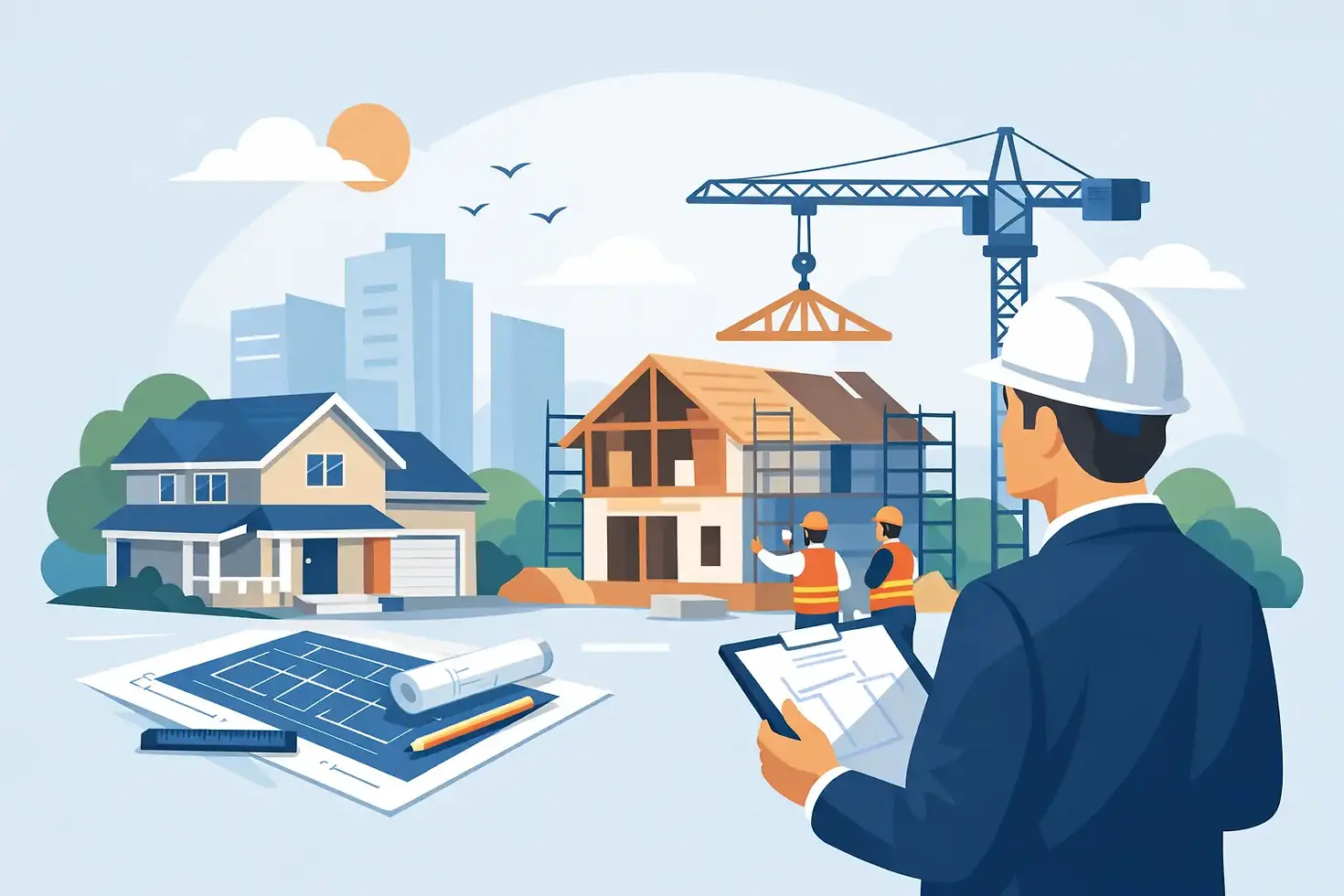
If you have ever looked at a home renovation and wondered why one project runs cleanly while another drifts into delays, change orders, and frustration, the answer usually comes down to management. What is residential construction management? It is the planning, coordination, oversight, and control of a home construction or renovation project from the first concept to the final walkthrough.
That sounds simple on paper, but in practice it covers far more than booking trades and ordering materials. Residential construction management is what keeps design decisions aligned with the budget, keeps work moving in the right sequence, and keeps the homeowner from having to chase ten different people for answers. When it is done properly, the project feels organized, accountable, and predictable, even when there are normal construction surprises along the way.
What Is Residential Construction Management in Real Terms?
In real terms, residential construction management is the system behind the build. It involves developing a realistic scope of work, preparing budgets, setting schedules, coordinating subcontractors, managing site activity, tracking progress, and maintaining quality standards through each phase of the job.
For homeowners, this means there is a clear process instead of a patchwork of disconnected decisions. Rather than trying to coordinate designers, suppliers, framers, electricians, plumbers, drywall crews, and finish trades on your own, a construction manager or general contractor takes responsibility for making those parts work together.
That role becomes especially important on larger renovations, additions, structural repairs, custom interiors, and full design-build projects. The more moving parts a project has, the more valuable solid management becomes.
What Residential Construction Management Covers
A residential project starts long before anyone swings a hammer. Management begins with defining what the homeowner wants to achieve, what the property allows, and what the budget can realistically support. If those three things are not aligned early, problems usually show up later.
The next step is pre-construction planning. This may include reviewing drawings, clarifying specifications, identifying permit requirements, pricing the work, and establishing a timeline. Good management at this stage prevents the common mistake of starting too soon with too many unanswered questions.
Once construction begins, management shifts into coordination and control. Trades need to arrive in the right order. Materials need to be available when crews need them. Inspections need to be scheduled at the proper points. Work needs to be checked for quality before the next phase covers it up. A delay in one area can affect several others, so someone has to keep the entire sequence moving.
There is also the administrative side. Budget tracking, change management, site communication, documentation, and client updates are all part of the job. Homeowners often think construction management is mostly field supervision, but the office side matters just as much. A job can look busy on site and still be poorly managed behind the scenes.
Why It Matters for Homeowners
Most homeowners do not build or renovate often enough to want the burden of managing a project themselves. They have jobs, families, and other responsibilities. They may know what they want the finished space to feel like, but they do not necessarily want to coordinate inspections, delivery schedules, framing details, and trade handoffs.
This is where residential construction management creates real value. It gives the homeowner one point of accountability. Instead of trying to sort out who is responsible for a delay or whether one trade has prepared the site correctly for the next, the project is overseen by a professional who is responsible for the process.
It also protects the quality of the result. Good workmanship is not just about hiring skilled trades. It is about making sure those trades are working from the right information, in the right order, with the right level of supervision. Even good crews can run into problems when a project lacks coordination.
There is a financial benefit as well. Construction management does not eliminate costs, and it does not guarantee that there will never be a change or issue. What it does is reduce avoidable waste. Better planning, better scheduling, and better oversight usually mean fewer expensive mistakes and fewer disruptions.
The Difference Between Construction Management and General Contracting
People often use these terms interchangeably, and in residential work they do overlap. A general contractor typically takes responsibility for executing the work, hiring and coordinating trades, and delivering the finished project. Construction management refers more broadly to the planning and oversight system that keeps the whole project under control.
In many cases, one company handles both. That is often the most practical setup for homeowners because it reduces gaps between planning and execution. When the same team is involved from estimating and scope development through construction and completion, there is usually better continuity and clearer accountability.
Still, the structure can vary. On some projects, a construction manager may act more as an advisor while separate contractors perform the work. On others, especially design-build or full-service renovation projects, the contractor manages both the process and the build. The right fit depends on the size of the project, the complexity of the work, and how much involvement the homeowner wants.
What a Residential Construction Manager Actually Does Day to Day
A lot of the work is proactive. Reviewing schedules, confirming trade availability, solving site issues before they become bigger problems, and keeping the client informed are all routine parts of the job. A good manager is constantly looking ahead to the next step rather than reacting only when something goes wrong.
They also manage decisions. Homeowners often need to make selections on finishes, fixtures, layouts, and product options at specific times. If those decisions are delayed, the project can stall. Part of effective management is guiding those decisions early enough to keep the schedule intact.
Another major responsibility is quality control. That means checking that work matches the plans, specifications, code requirements, and expected workmanship standards. It also means catching issues while they are still fixable. Correcting a framing problem before insulation and drywall is one thing. Correcting it after finishes are complete is another.
Communication is a large part of the role as well. Homeowners need clear answers, not vague updates. Trades need direction. Designers need coordination. Inspectors need access and readiness. Without strong communication, even a well-scoped job can become harder than it needs to be.
When Residential Construction Management Becomes Essential
Not every home project needs the same level of management. A simple cosmetic update may require less oversight than a whole-home renovation or structural rebuild. But once a project involves multiple trades, permits, design decisions, schedule dependencies, and a meaningful budget, professional management is no longer a luxury. It is part of protecting the project.
Kitchen renovations, bathroom remodels, basement finishing, additions, open-concept structural changes, and full interior upgrades all benefit from organized management. The same is true for projects where homeowners are living in the house during construction. In those cases, site safety, cleanliness, phasing, and timing matter even more.
Older homes often add another layer of complexity. Hidden conditions, outdated systems, and code-related upgrades can affect scope and cost once work starts. Good construction management cannot prevent every surprise, but it can help address those issues in a controlled way rather than letting them throw the whole project off track.
What to Look for in a Residential Construction Management Team
Experience matters, but not just years in business. You want a team that understands sequencing, budgeting, permitting, and field execution, not one that only sells the project well. Residential work requires practical judgment because homes are personal spaces, and clients need both technical guidance and straightforward communication.
Look for a licensed and insured contractor with a clear process. Ask how they handle estimates, scheduling, change requests, site supervision, and quality checks. Ask who your point of contact will be. If the answers are vague before the project starts, they will usually stay vague once work is underway.
It also helps to work with a company that can manage the project from concept through completion. That kind of full-service approach tends to reduce handoff problems and keep responsibility in one place. For homeowners who want less stress and more clarity, that matters.
At The General, that is exactly how projects are approached - with coordinated planning, skilled execution, and accountability from start to finish.
The Real Value of Residential Construction Management
The real value is not paperwork or jobsite terminology. It is control. It is knowing the project has a plan, a budget framework, a schedule, and a team responsible for carrying it through properly.
No construction project is completely free of variables. Materials can shift, hidden conditions can appear, and homeowner priorities can evolve during the process. Good residential construction management does not pretend those things never happen. It gives the project a structure for handling them without losing sight of the final result.
If you are investing in your home, you should expect more than labor. You should expect organization, communication, and workmanship that are managed with purpose. That is what turns a construction project from a stressful guesswork exercise into a professional process worth trusting.


Comments